Customer returns represent another major source of reimbursement opportunities. Amazon’s customer-centric policies allow buyers to return many products within a specific return window. When customers initiate a return, Amazon may immediately issue a refund or process the refund after the item is received back at the warehouse.
In some situations, however, the returned product never makes its way back into the seller’s inventory. The item may be lost during the return shipping process, damaged during inspection, or misclassified by warehouse staff.
There are also cases where Amazon refunds the customer without requiring the product to be returned at all. If the item is not returned and the seller does not receive compensation, the seller may be eligible for reimbursement.
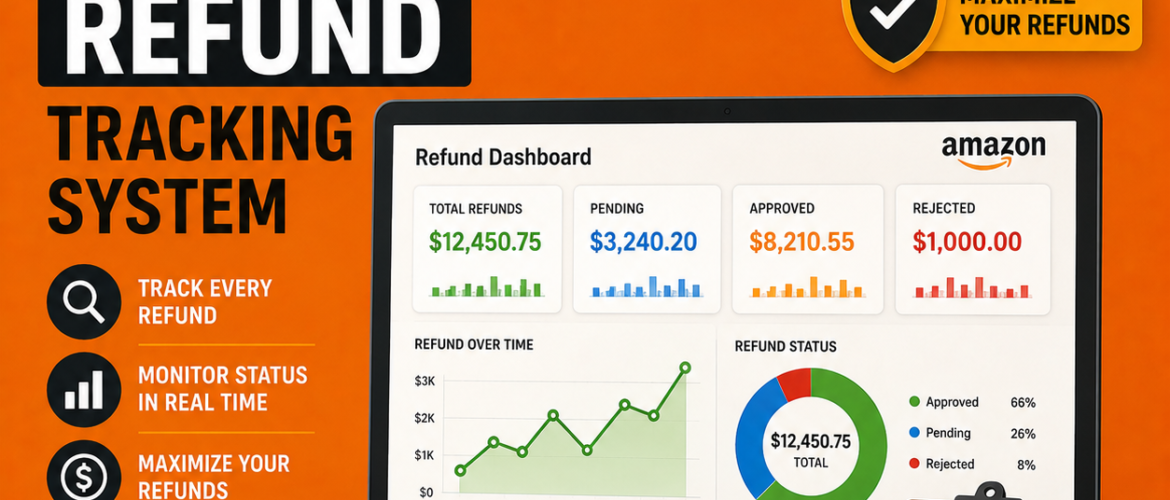
Tracking customer returns is therefore an essential part of any refund monitoring system. Sellers need to verify that returned products are either restocked into sellable inventory or reimbursed appropriately.
Inventory Damage in Amazon Warehouses
Another frequent issue within Amazon fulfillment centers is inventory damage. Products stored in warehouses may be handled multiple times before they reach the customer. Items are moved between storage areas, transported across conveyor systems, and packaged by warehouse workers.
During these processes, products can sometimes become damaged. Boxes may be crushed, packaging may tear, or fragile items may break. When the damage occurs due to Amazon’s handling, the seller is generally eligible for reimbursement.
Amazon records the reason for inventory damage and categorizes it accordingly. If the damage occurred inside the warehouse or during fulfillment, Amazon is typically responsible for reimbursing the seller. However, if the damage was caused by the customer after delivery, reimbursement may not apply.
Because damage classifications can sometimes be incorrect, sellers must review their inventory adjustment reports regularly to confirm that reimbursements were issued when appropriate.
Inbound Shipment Receiving Errors
Inbound shipment discrepancies occur when sellers send inventory to Amazon fulfillment centers but Amazon receives fewer units than expected. Sellers create shipment plans when sending products to FBA, specifying the number of units included in each shipment.
When the shipment arrives at the fulfillment center, Amazon workers scan and count the items before adding them to inventory. However, receiving errors can occur during this process. Units may be miscounted, cartons may be misplaced, or certain items may not be scanned properly.
If the number of units received is lower than the quantity shipped, sellers may be able to open a case with Amazon support. By providing documentation such as shipping receipts, tracking information, and packing lists, sellers can request an investigation.
If Amazon determines that the missing units were lost after arrival at the warehouse, the seller may receive reimbursement for the missing inventory.
How Sellers Track Refunds Manually
Amazon provides several reports within Seller Central that help sellers monitor inventory discrepancies and reimbursement activity. By analyzing these reports regularly, sellers can identify situations where refunds may be missing.
One of the most useful reports is the Inventory Adjustment Report, which records changes in inventory status such as lost items, damaged products, and found inventory. This report helps sellers detect discrepancies between expected and actual inventory levels.
Another important report is the Reimbursements Report, which lists all reimbursements that Amazon has issued to the seller. By comparing this report with inventory adjustment data, sellers can determine whether certain discrepancies were reimbursed.
The Customer Returns Report also plays an important role in refund tracking. This report provides detailed information about returned products, including their condition and whether they were returned to inventory.
Manual tracking requires consistent monitoring and careful record keeping. While it can be effective for smaller sellers, it becomes increasingly difficult as product catalogs and sales volume grow.
Automated Refund Tracking Tools
Because manual auditing can be time-consuming, many sellers choose to use automated reimbursement tracking software. These tools connect directly to a seller’s Amazon account and analyze large amounts of account data to identify potential reimbursement opportunities.
Automated systems review historical reports, inventory adjustments, shipment data, and return records to detect discrepancies that may qualify for reimbursement. When a potential case is identified, the software may generate claim reports or case templates that sellers can submit to Amazon support.
Some tools even offer fully managed auditing services where specialists review the seller’s account and submit reimbursement claims on their behalf.
For sellers managing large inventories or high monthly sales volumes, automation can significantly improve efficiency and increase the number of reimbursements recovered.
Reimbursement Deadlines Sellers Must Know
One important factor that sellers must understand is that Amazon reimbursement claims are subject to specific time limits. These deadlines determine how far back sellers can audit their account and request compensation.
In many cases, sellers have up to eighteen months to submit reimbursement claims related to lost inventory or warehouse damage. However, shipment discrepancies often have shorter claim windows, sometimes limited to nine months.
Because of these deadlines, it is important for sellers to conduct regular audits of their accounts. Waiting too long to investigate discrepancies can result in missed reimbursement opportunities.
How Much Money Sellers Can Recover
The amount of money recovered through refund tracking varies depending on the size and activity of the seller’s account. However, many reimbursement service providers report that sellers can typically recover between half a percent and three percent of their annual Amazon revenue.
For example, a seller generating one hundred thousand dollars in yearly sales may recover several hundred to several thousand dollars through reimbursement claims. Larger sellers with revenues exceeding one million dollars may recover tens of thousands of dollars in reimbursements each year.
These recovered funds can significantly improve overall profitability and help offset other operational costs such as advertising, storage fees, and shipping expenses.
Final Thoughts
Amazon FBA offers tremendous advantages for ecommerce sellers, but it is not a flawless system. Given the enormous scale of Amazon’s logistics network, errors involving lost inventory, damaged products, and incorrect refunds are inevitable.
An Amazon FBA refund tracking system helps sellers protect their revenue by identifying reimbursement opportunities that might otherwise go unnoticed. Whether implemented manually or through automated tools, refund tracking ensures that sellers receive the compensation they deserve for operational mistakes.
For serious Amazon sellers, monitoring reimbursements should be considered a routine part of account management. By consistently auditing reports, tracking inventory changes, and submitting claims when necessary, sellers can recover lost revenue and maintain accurate financial records.
Over time, a well-managed refund tracking process can make a measurable difference in the profitability and sustainability of an Amazon FBA business.